
Fashion once belonged to a small circle of editors, designers, and glossy magazine offices. “The Devil Wears Prada 2” revisits that world almost twenty years after the original film changed how audiences viewed fashion publishing.
This time, the sequel does not just focus on couture and impossible deadlines. It examines how trends, influence, and media authority have shifted in the digital age.
The first “The Devil Wears Prada” from 2006 introduced audiences to Andy Sachs, played by Anne Hathaway, a young journalist who enters the intimidating offices of Runway magazine. Her boss, Miranda Priestly, played by Meryl Streep, ruled fashion with cold precision.
Every opinion carried weight. A raised eyebrow could change an entire designer collection. A disliked photoshoot could cost publishers hundreds of thousands of dollars. The film turned fashion editors into cultural gatekeepers.
Fashion Authority Looks Different Now
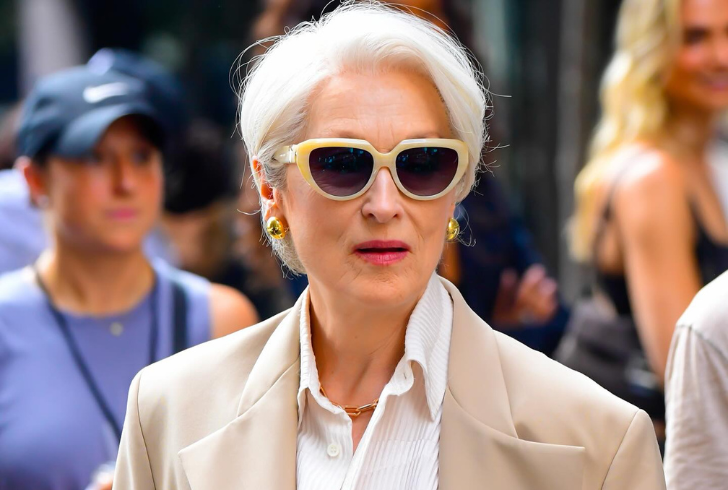
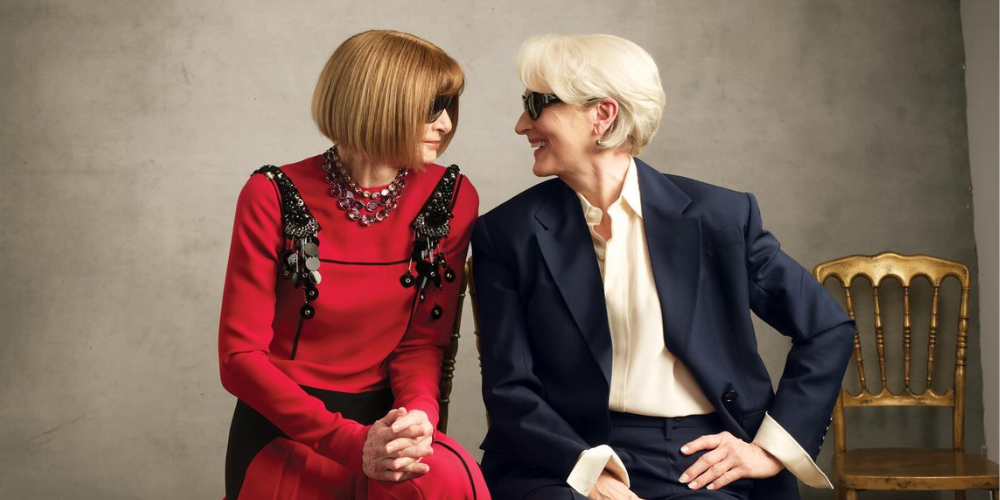
Instagram | vanidadesmx | Miranda’s intimidation remains, but the industry’s steering wheel has been grabbed by digital feeds.
The sequel quickly shows that the old system no longer controls the conversation. Miranda still delivers sharp critiques and intimidating silence, yet the world around her has changed. Designers no longer wait for magazines to decide trends. Social media feeds and algorithms now shape what people wear.
The film points to one clear example: the lace-trim slip skirt flooding stores and social platforms. One moment it appears on Zendaya at a red-carpet event, and days later it dominates fast-fashion websites and shopping apps. The trend cycle moves too quickly for traditional magazines to keep up.
That shift removes one of the original movie’s most famous ideas. The iconic speech about cerulean blue influencing everyday fashion no longer fits the current industry. In 2026, viral content decides what sells before editors even react.
Runway Faces a Different Crisis
The sequel also strips away much of fashion publishing’s polished image. Runway magazine becomes trapped in controversy after supporting a fast-fashion company tied to sweatshop labor. Online backlash spreads instantly. Memes mock the magazine. Public criticism threatens Miranda’s carefully controlled image.
Money problems add another layer of tension. Budgets are shrinking, and prestige no longer guarantees influence. Runway cannot afford to fly a piano to Milan for John Legend to perform at an event. The film treats the compromise of hiring Lady Gaga instead as a sign of decline rather than glamour.
The newsroom culture has changed too. Writers and editors focus less on journalism and more on internet traction. Terms like “virality,” “page views,” and “clicks” dominate conversations. Stories are created for engagement metrics rather than cultural value. Miranda appears unsettled by this shift, though she continues acting as if the old rules still apply.
The Real Villain Is Technology
One of the sequel’s strongest ideas is its portrayal of modern media ownership. Miranda is no longer the most feared figure in fashion. The real threat is the possibility of Runway falling into the hands of tech investors.
Justin Theroux plays Benji Barnes, a billionaire figure clearly inspired by Jeff Bezos. Benji approaches fashion as data rather than art. He admits he barely reads articles and only pays attention to the images. His interest in buying Runway feels transactional, almost casual. The magazine becomes another luxury item for the wealthy.
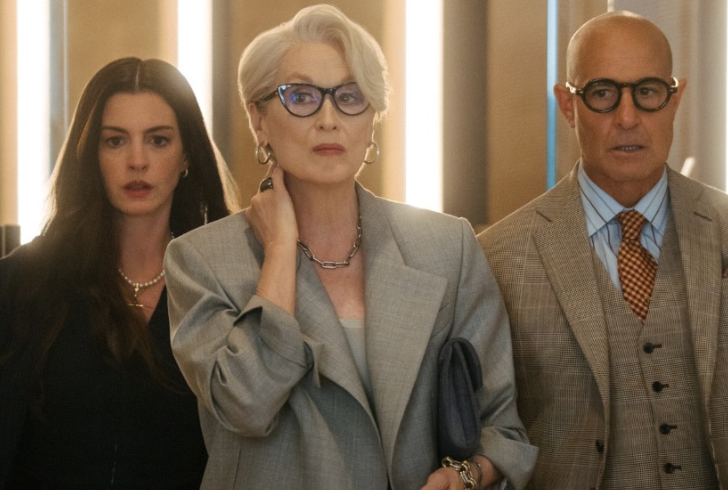
Instagram | whoopsee.it | "The Devil Wears Prada 2" uses high-fashion satire to expose the raw truth about modern media and status.
That conflict drives the sequel. Old-world publishing, built on exclusivity and editorial taste, collides with algorithm-driven media controlled by technology and investors. Neither side appears entirely right or wrong. The film avoids simple heroes and villains.
Andy’s role reflects that tension. She still writes meaningful copy, yet only one article gains attention because it performs well online. Quality matters less than visibility. The sequel quietly questions whether serious fashion journalism still has a place in a world ruled by scrolling and short attention spans.
Why the Story Still Connects
“The Devil Wears Prada 2” succeeds because it understands how dramatically culture has shifted since 2006. The original film celebrated the mystery and authority of fashion magazines. The sequel exposes how fragile that authority has become.
Characters also feel less exaggerated this time. Emily’s obsession with extreme dieting no longer plays as comedy. Miranda’s harsh standards seem outdated rather than aspirational. Even the frantic rush to save Runway raises an uncomfortable question: does anyone still care about magazines the way they once did?
The sequel works best as a commentary on influence rather than style. Fashion still matters, but power has moved elsewhere. Editors no longer control public taste from behind glossy office doors. Trends rise through algorithms, influencers, reposts, and viral moments.
“The Devil Wears Prada 2” captures that transition with sharp humor and uncomfortable honesty. Beneath the designer outfits and polished chaos sits a bigger message about media, status, and relevance. The fashion world still looks glamorous on the surface, yet the sequel makes it clear that the system underneath has completely changed.